Regeneration of Spent Activated Alumina
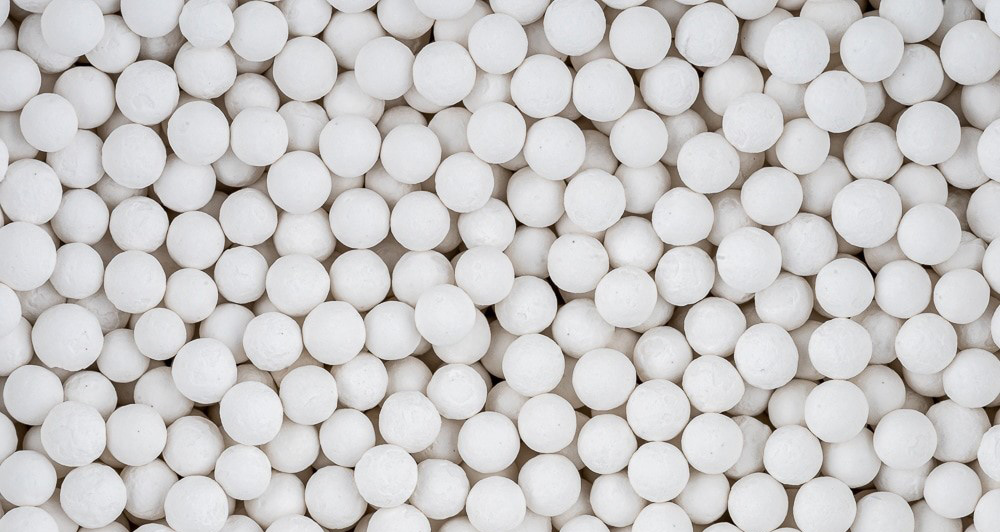
Activated alumina can be used in several applications and it is majorly used as an adsorbent
or catalysts in which it is different from activated carbon. It is well suited with the adsorption of
polar molecules and generally is better than activated carbon for this case, due to different surface
chemistry. Being a 100% synthetic material, activated alumina is relatively more stable in term of
its properties. The pore size is uniform when compares to the pore size of activated carbon derived
from natural materials such as coconut shell, which gives a relatively wide range of pore sizes.
Moreover, some activated alumina can be used as a Molecular Sieve, for example, as a desiccant in
systems to control the very low ppm humidity and also as a catalyst. However, whether it is used as
an adsorbent, molecular sieve or even as a catalyst, it would have loss its efficiency over time until it
is expired and eventually become industrial waste. The original disposal methods used were
incineration and landfill, respectively.
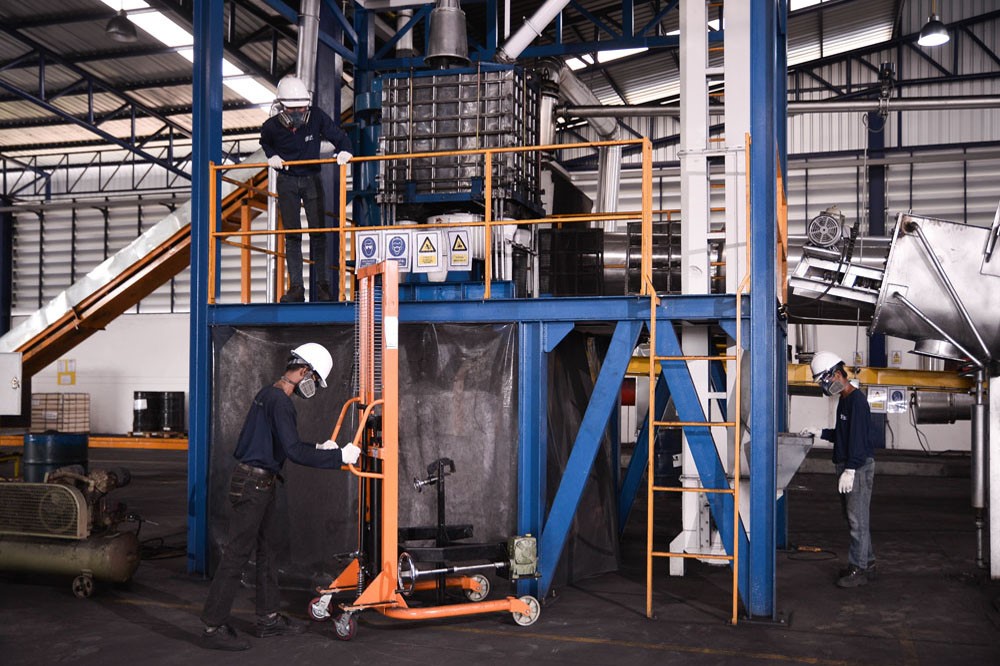
Right Reactivation has been researching and developing a regeneration process for
used/spent activated alumina to solve problems for customers as well as to increase the life cycle of
raw materials. The reuse of alumina resulting in the reduction of the use of new products has
helped promoting a circular economy to be successful. To include this in the company portfolio, at
present, the company is being licensed by the Department of Industrial Works, Ministry of Industry
to be able to receive used alumina regeneration service. This business activity helps reduce
production costs for customers. Reducing imports of new products will benefit the country's trade
balance. Reduce landfill waste and create a better social environment through circulation.