Regeneration of Spent Solid Catalyst
Chemical process, especially, in petrochemical and petroleum industries including certain types of food and pharmaceutical industries Usually, a solid catalyst is used to help make chemical reactions easier and faster with mild conditions that save energy. Therefore, the catalyst is at the heart of industrial chemistry because it increases productivity and reduce the cost per unit of production.
Solid catalyst consists of two components:
1) Active Element, which often uses precious metals such as platinum (Pt), silver (Ag), gold (Au), palladium (Pd) etc.
2) Substrate such as silica (SiO2), alumina (Al2O3), titanium (TiO2), zeolite (AlxSiyOz).
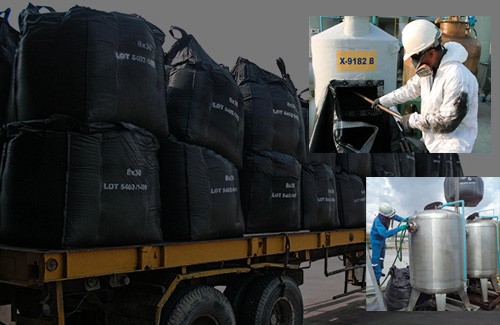
There are two types of spent solid catalysts:
1.) Able-to-regenerate spent catalyst; this type of catalyst contains core elements won't change much. Usually deteriorates with a chemical coating on the surface area or a carbon (coke) coating on the surface. Therefore, it can be restored by incineration or oxidation (Oxidation) under controlled conditions. Some factories will have a built-in regeneration system (In-situ Regeneration) for convenience due to a short lifespan, requiring periodic regeneration, While, many other factories will have to change out (Unloading) and go to regeneration outside the factory.
2.) Unable-to-regenerate. As a result of a radical change in the principal component or altered molecular structure, it cannot be reused. The only way to manage it would be the extraction or smelting of precious metals from the supporting material (Substrate).
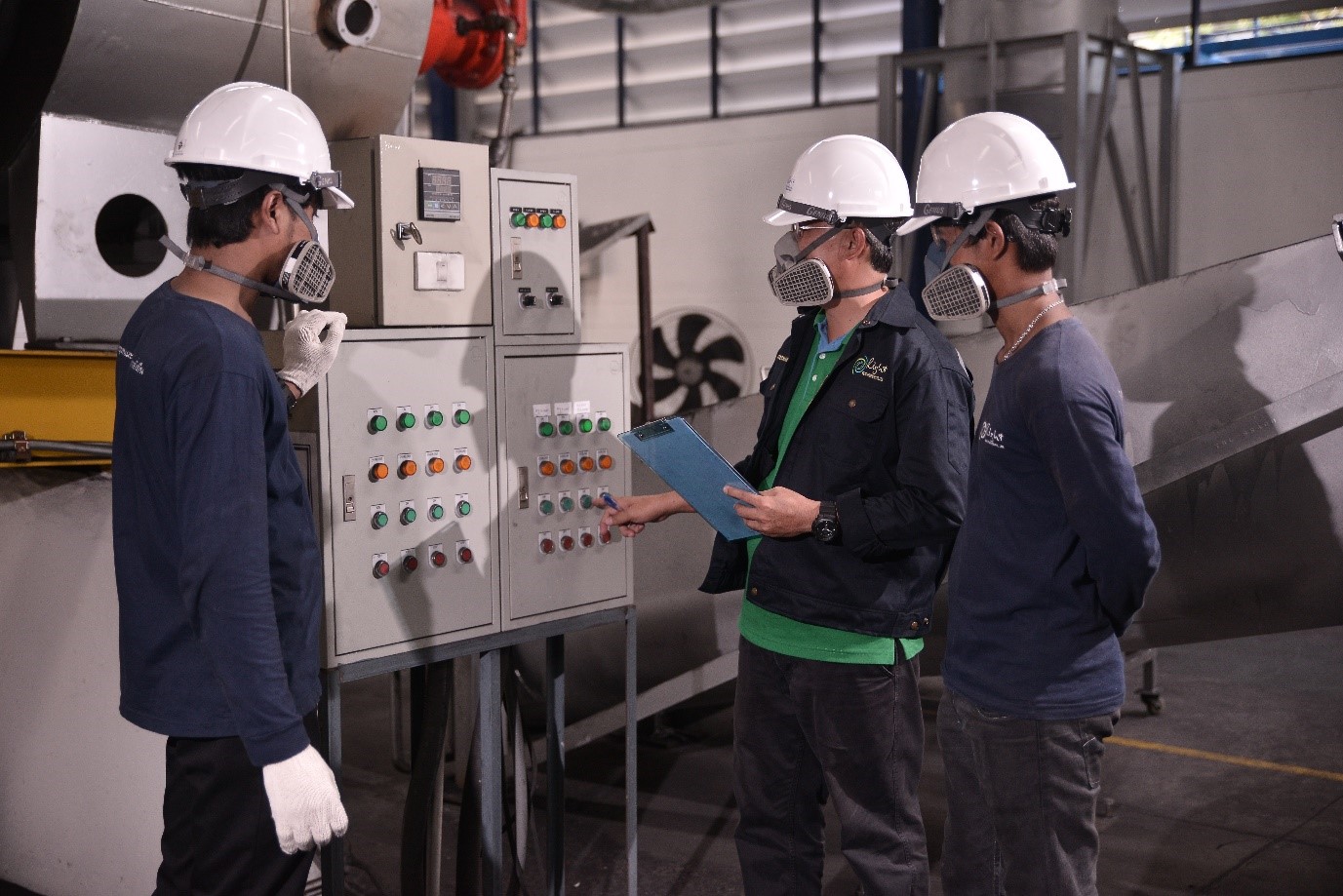
Therefore, the company has initiated a study on the regeneration of the used solid catalyst by cooperating with customers collaborate in research and development through the Company's Research and Business Development unit and develop into industrial production with various processes of the company such as Rotary Kiln, Box Furnace and Moving Belt Furnace, according to the suitability of each catalyst, including cooperation with Leading Thai universities and external research agencies in the field of modern scientific instruments for quality analysis. Company's success has helped to reduce dependence on foreign technology by regeneration within the country and creating a Circular Economy (CE) within the country.